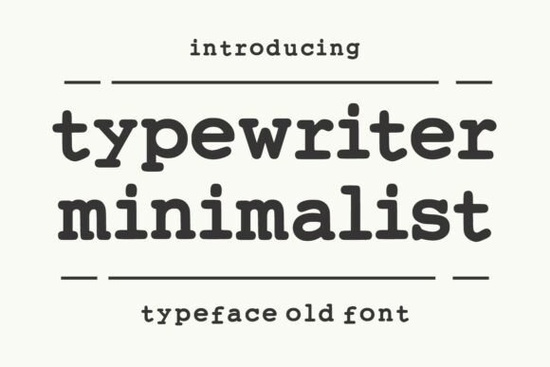
If you’ve ever wanted to add a touch of vintage charm to your designs without losing clarity or modern usability, Typewriter Minimalist Font is worth a closer look. It’s not trying to be flashy just honest, clean, and quietly nostalgic. Inspired by the rhythm of mechanical typewriters and the texture of old manuscripts, this font brings warmth to digital projects while keeping its lines crisp and readable. Whether you’re designing book covers, branding materials, or printable stationery, it fits naturally into workflows that value both personality and practicality.
What makes this font different from other retro typefaces?
Many “typewriter” fonts lean hard into grunge textures or uneven letter spacing to mimic age. Typewriter Minimalist takes a quieter route. Its monospaced structure stays true to classic typewritten documents, but each character is subtly refined rounded terminals, even weight distribution, and consistent spacing make it surprisingly versatile. You can pair it with modern sans-serifs for contrast or let it stand alone in editorial layouts without overwhelming the reader.
It also plays well across categories. If you’ve used something like The Youth Font for softer, handwritten-style projects, Typewriter Minimalist offers a complementary aesthetic more structured, less whimsical, but still full of character. Or if you’re exploring serif options like Semika Font, this one gives you a monospaced alternative that still feels rooted in tradition.
Where does this font work best?
Here’s where designers and small business owners tend to get the most mileage out of it:
- Book interiors and covers especially indie publishing, poetry collections, or journals that want to feel personal and tactile.
- Stationery and invitations wedding suites, thank-you cards, or boutique packaging benefit from its understated elegance.
- Social media graphics quote posts, announcements, or product promos that need a grounded, human tone.
- Branding for cafes, bookshops, or artisan goods it signals craftsmanship without being overly decorative.
- Print-on-demand products think mugs, notebooks, or tote bags where legibility matters at small sizes.
Because it’s minimalist by design, it doesn’t fight with imagery or complex layouts. That’s a big plus when you’re layering text over photos or working within tight brand guidelines.
How does it handle real-world use?
You don’t need to worry about licensing headaches it comes ready for commercial use, which is essential if you’re selling designs or client work. The file includes standard formats (OTF, TTF, WOFF), so whether you’re using Canva, Adobe apps, or Silhouette Studio, installation is straightforward.
One thing users appreciate: it doesn’t look “computer-made.” There’s enough irregularity in stroke width and terminal shape to feel hand-touched, but not so much that it becomes distracting. And because every character occupies the same horizontal space, alignment stays predictable helpful for tabular data, code snippets (yes, some devs use it for that), or poetry formatting.
If you’re comparing it to similar styles, check out Typewriter Minimalist Font directly on Creative Fabrica to see how it stacks up visually against others in their collection.
Any tips for pairing it with other fonts?
A common mistake is pairing it with another vintage-heavy font, which can muddy the message. Instead, try balancing its retro roots with something clean and contemporary. A geometric sans-serif (like Montserrat or Futura) creates nice tension. Or go warmer with a humanist sans think Calibre or Avenir Next.
For longer paragraphs, reserve Typewriter Minimalist for headers or pull quotes, and switch to a simpler serif or sans for body text. It holds attention beautifully in short bursts but wasn’t designed for dense reading.
And if you’re building a font stack for branding consistency, consider mixing it with other minimalist serifs that share its quiet confidence just avoid anything too ornate or script-like unless you’re going for deliberate contrast.
Quick checklist before you download:
- ✅ Confirm your project needs a monospaced, vintage-but-clean vibe.
- ✅ Preview it at multiple sizes especially if you’re printing small (like tags or labels).
- ✅ Test pairing options early don’t assume it’ll “just work” with your existing fonts.
- ✅ Download all format types you never know when you’ll need WOFF for web or OTF for print.
- ✅ Save the license info always good to have on file for client work or POD platforms.
Start simple. Use it in one project maybe a greeting card or Instagram story template and see how it feels in your workflow. Sometimes the most useful tools are the ones that don’t shout, but still leave a lasting impression.
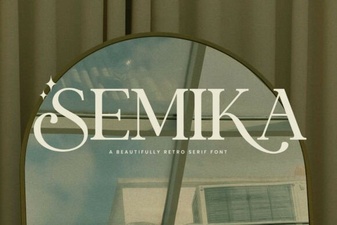 Semika Font: Modern Typography for Creative Projects
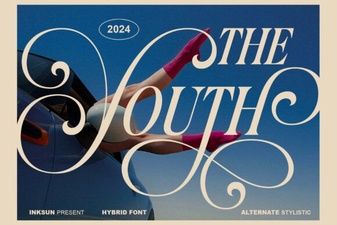 The Youth Font: Designing with Energy & Modern Style
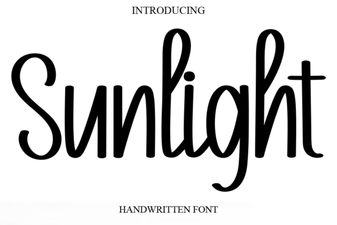 Illuminate Your Design with Sunlight Font
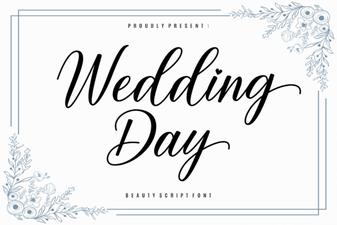 Perfect Wedding Day Fonts for Your Invitations
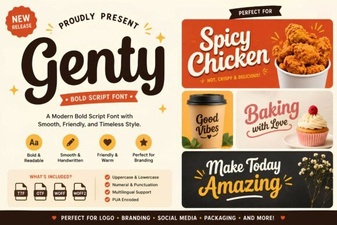 Genty Font: Modern Typography for Creative Projects
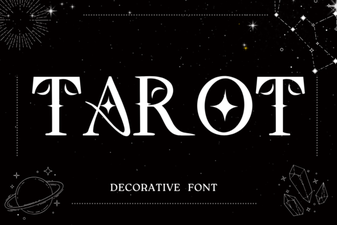 Tarot Fonts: Designing Modern Occult Art